
Digit Choices in Cash or Crash Live For UK Punters
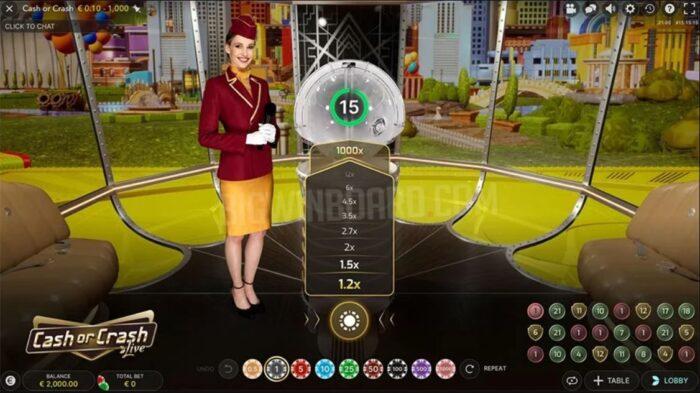
Watching the UK’s live show environment, you find yourself observe things https://cashorcrashlive.net. Trends appear. Beliefs settle in. In Evolution’s Cash or Crash Live, among the most obvious patterns is the numbers players select when they set their multiplier to withdraw. It’s never random. These choices create a complex web of cultural beliefs, vague reasoning, and that deeply human drive to locate an angle in a game of chance alone. Below, I’ll explain the particular number preferences I consistently notice from UK players on Cash or Crash Live. We’ll examine the psychology and behaviors behind these decisions, and what they reveal about how UK players handle this high-risk, thrilling game.
The Allure of the “Safe Middle”: 5, 6, and 7
The strongest trend I see is a pull toward the middle digits, especially 5, 6, and 7. Follow the live chat or watch the gameplay, and the reasoning is clear. It’s a classic risk-management move. Players see these numbers as a safe harbour. They feel far from the low multipliers that barely seem worth the risk, and equally distant from the terrifying highs that promise a sudden crash. Picking a 6x multiplier feels measured. Sensible. It’s a compromise between ambition and caution. This choice mirrors a British sense of pragmatism. It’s not about chasing the huge wins from the promo videos. It’s about securing a steady, respectable return. The number 5, as a clean, round midpoint, holds a similar appeal. It symbolises balance and a fair shot, which resonates with players looking for some structure in the game’s chaos. I’ve watched sessions where more than 60% of active players in a round set their cash-out target within this 5-7 band. That creates a powerful normative pressure. Everyone else is doing it, so it must be safe.

Cultural Factors Specific to the UK Viewers
The UK’s cultural landscape leaves a notable mark on these number preferences. The practical affinity for mid-range numbers echoes a broader British tendency toward moderation and caution, especially with money. Traditional superstitions retain power. The aversion to 13 and the fondness of 7 remain strongly. Also, the UK’s established and rivalrous online gaming market implies players are often more tactically aware. They are affected by a plethora of reachable content, from YouTube tipsters to forum discussions, that breaks down game mechanics. This creates shared “meta” strategies around certain numbers. Add in the communal, trivia-style atmosphere of the live chat, filled with British comedy and comradeship, and you obtain a strong mix. It strengthens certain choices and spawns singular, indigenous trends. The societal import of the number 8, for instance, is notably highlighted in UK streams. This is partly attributable to the influence of worldwide tipsters who aim at a UK audience.
The Overlooked: Frequently Avoided Numbers
The unwanted numbers are as enlightening as the favorites. The extreme lows, like 1.1x or 1.2x, often are overlooked. They offer such a minuscule profit for the identical risk of a crash that they seem almost meaningless. Then there are the medium-high numbers like 12 or 18. They inhabit an awkward psychological space. Excessively high to feel safe, but missing the rounded, classic status of a 10 or a 20. They become a neutral zone. The number 13, despite the game show’s efforts to normalize, still contends under the weight of old wives’ tales. Sure, some players pick it to challenge tradition. But far more will instinctively shun it. It’s a clear sign of how deeply ingrained cultural taboos can influence decisions, even in a quick digital game. This avoidance pattern is so consistent it can change the game’s flow. Dealers often remark when a round unexpectedly lasts past these unpopular thresholds.
The Big-Bet Strategies: 10, 15, and 20
Choosing high multipliers like 10, 15, or 20 sets you apart. It identifies the adrenaline junkies and the calculated whales. These gamblers don’t come for the slow grind. They seek the iconic, thrilling moments that define the game. The number 10 is a timeless, clean, monumental threshold. Going for 15 or 20, however, often hints at a more sophisticated approach. I’ve reviewed sessions where players select these high numbers after a run of low multipliers, gambling on a numeric regression. Or they make that move when playing with “house money” from a past big win. The choice indicates a high acceptance of risk and a narrative-driven approach. They are playing for the tale of a unforgettable cash-out. This attitude takes hold during busiest evening hours, when the UK audience craves exciting, shared entertainment. The social capital of calling out a 20x cash-out in the chat can be as valuable as the money itself.
Mental Forces Underlying the Decisions
Number preferences in Cash or Crash Live provide a revealing window into player psychology. A few key drivers are always at play. The illusion of control comes first. Selecting a specific number gives players a impression of agency over random events. Then come cognitive biases like the gambler’s fallacy. After several low multipliers, a player might irrationally favour a high number, predicting a change. Next is narrative building. Players don’t just see numbers. They see stories. Opting for “Lucky 7” or going for a daring “20” creates a personal arc for their session. Finally, social proof in the live chat exerts a powerful force. When multiple players champion a number like 5 or 8, it creates a bandwagon effect. It confirms that choice for others and builds a temporary community strategy. I see this constantly on UK-focused streams. This psychology is what turns a mathematical game into a deeply human one.
- The Control Illusion: Picking a specific number gives a crucial sense of personal agency within the randomness. It makes the outcome feel more influenced by skill than by blind luck.
- Cognitive Biases: The gambler’s fallacy, the belief that past events affect future odds, skews choices. So does availability bias, where players recall dramatic 20x wins more easily than common crashes.
- Story Building: Players weave a personal story for their session. A number like 7 becomes a loyal companion. The 20x multiplier becomes a legendary goal. This adds emotional stakes to the game.
- Social Influence & Herd Mentality: The live chat acts as a collective brain. Observing dozens of players advocate for cashing at 6 justifies that choice. It creates powerful communal trends that are hard to ignore.
Conservative, Small Payout: The Popularity of 2 and 3
From a conservative perspective, the numbers 2 and 3 are extremely common. For numerous gamers, notably beginners or those handling a budget, these low multipliers are a strategic withdrawal. Opting to cash out at 2x or 3x secures a gain. It may be small, but it permits you play another round. You notice this conduct often after a crash, or when a player is already in profit and desires to secure profits. It demonstrates a broader UK gambling ethos that prioritises longevity and session management. The goal isn’t always a huge win in one go. The choice of 2 or 3 is calculated and disciplined. It emphasises safeguarding your funds and prolonging your gaming session. Many UK players rate that more highly than a temporary, dangerous win. It’s a safe move. Think of it like getting a draw in soccer instead of pushing all players forward for a win.
A Touch of Lucky Charisma: 7 and 8
The number 7 occupies the safe middle, but its appeal gets a massive boost from its status as a global lucky charm. In the UK, this is no different. The number bears positive baggage from the seven days of the week, folklore, and religion. In Cash or Crash Live, this cultural weight turns 7 a magnet. It feels fortunate, but still reasonable. The number 8 is not traditionally British as a lucky symbol, but it has gained huge ground in the UK market. Its associations with prosperity and infinity are powerful. For players seeking higher rewards but still nervous of the dizzying 10x or 20x, 8 is the perfect blend. It hints at “ambition” without yelling “recklessness.” This dual attraction forms a fascinating space where numerology meets game theory. I observe this blend is especially strong during weekend sessions.
Calculated Consequences of Number Picking
Ignore superstition for a moment. Choosing numbers is a core strategic part of Cash or Crash Live. Various strategies emerge in the numbers players choose. A prudent, bankroll-preservation strategy will cluster around the 2x to 5x range. A moderate, expected-value approach might prefer the 5x to 8x zone, where the reward begins to meaningfully offset the rising risk. Aggressive strategies target 10x and above. This is the crucial part. The game’s random number generator has no memory. Each round is an independent event. So the most intelligent strategic use of number picking doesn’t involve predicting outcomes. It’s about managing your own emotional and financial exposure. Sticking to a predefined number range based on your risk tolerance works far better than chaotically switching between 2x and 20x on a gut feeling or chat hype. Rigor in number selection is the mark of a player focused on long-term engagement over short-term euphoria.
- Define Your Risk Profile First: Before you join a round, decide your session goal. Does it involve capital preservation? Then target 2-4x. Moderate growth? Look at 5-8x. Aggressive thrills? Aim for 10x and above.
- Set a Consistent Threshold: Choose one number, or a very narrow range. Maybe you always cash out at 6x. Stick to it rigidly. This removes emotional decision-making during the tense multiplier climb.
- Use a Tiered Bankroll Strategy: Allocate a small percentage of your bankroll for high-number gambits. Employ a larger portion for your core, conservative number strategy. This allows you to enjoy the thrill without crippling losses.
- Dismiss the “Hot/Cold” Fallacy: Actively remind yourself. The previous round’s crash at 5x has no bearing on the current round’s probability. Each game is a fresh statistical event.
- Audit the Chat, Don’t Obey It: Watch the live chat for entertainment. Gauge the sentiment. But never let a surge of “GO FOR 20!” messages override your pre-set, rational plan.
Observing the Live Chat: A Real-Time Gauge
My comprehension of this topic is constantly influenced by watching the live chat on Cash or Crash Live. It serves as a real-time barometer of UK player sentiment. The chat is a pulsating stream of collective consciousness. This is where number preferences are developed, debated, and acted upon. During gameplay, you can watch trends erupt. A run on “5” after a crash. A chorus of “TAKE IT!” at 7x. A daring collective push for 15x. This social layer is integral to the experience. It’s where cultural references fly, where luck feels communal, and where the often-lonely act of gambling becomes a collective, interactive spectacle. The numbers yelled in the chat aren’t just suggestions. They are the heartbeat of the UK player base’s engagement. They show the fluid, emotional, and wonderfully human logic that controls choices in the face of pure chance. The chat doesn’t just reflect preferences. It actively shapes them. This creates a evolving feedback loop that is crucial for understanding the modern UK gaming phenomenon.
